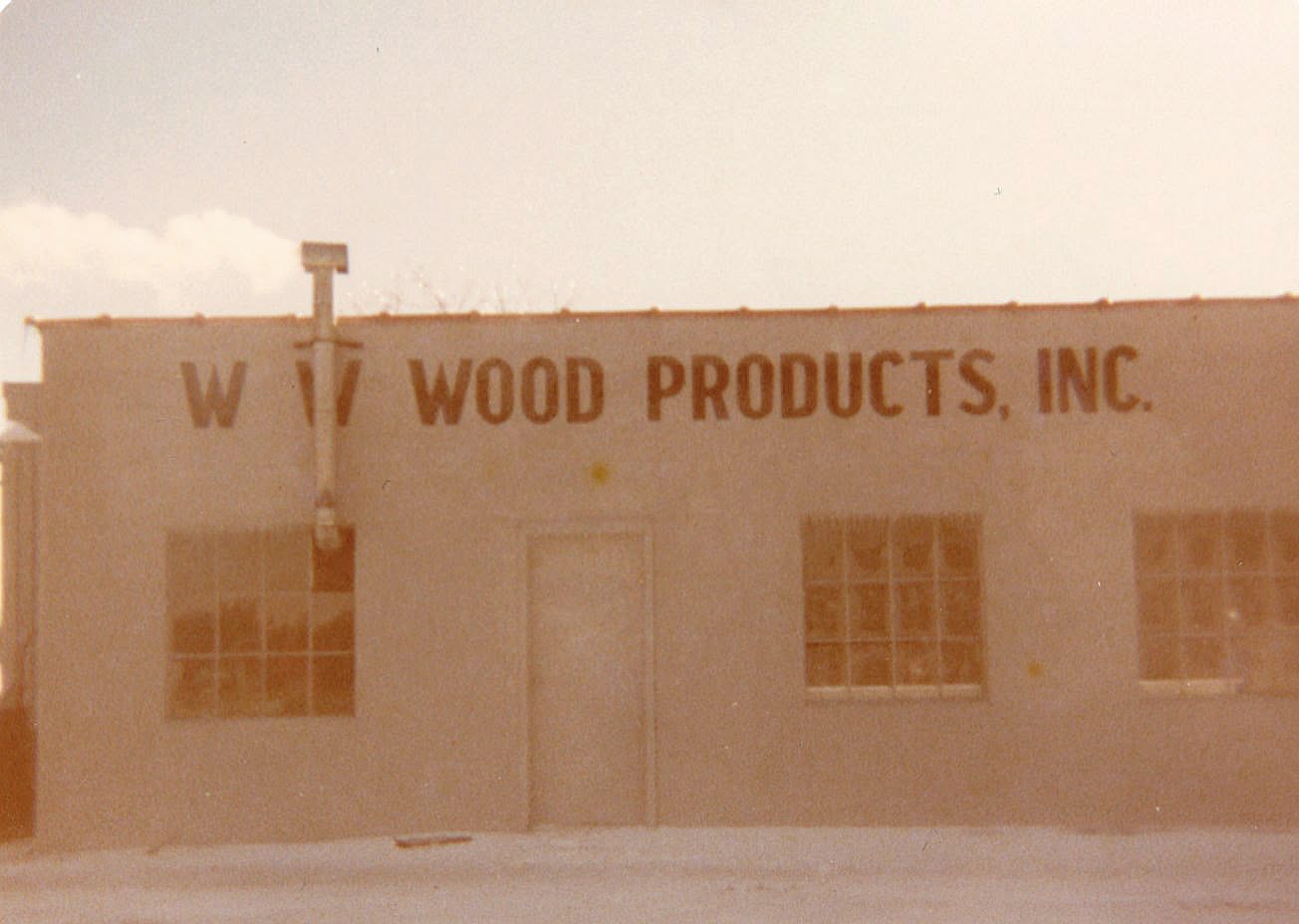
Behind every cabinet is a story of craftsmanship, innovation, and the people who bring the finished product to life. At W.W. Wood Products, that story began with a sawmill in 1977 and grew into a cabinet manufacturing operation built around decades of woodworking experience and continued investment in technology.
Today, W.W. Wood Products combines its woodworking roots with modern manufacturing capabilities to create cabinetry for homes across the country. Here’s a look at the milestones, technology, and priorities that have shaped the company’s approach to cabinet manufacturing.
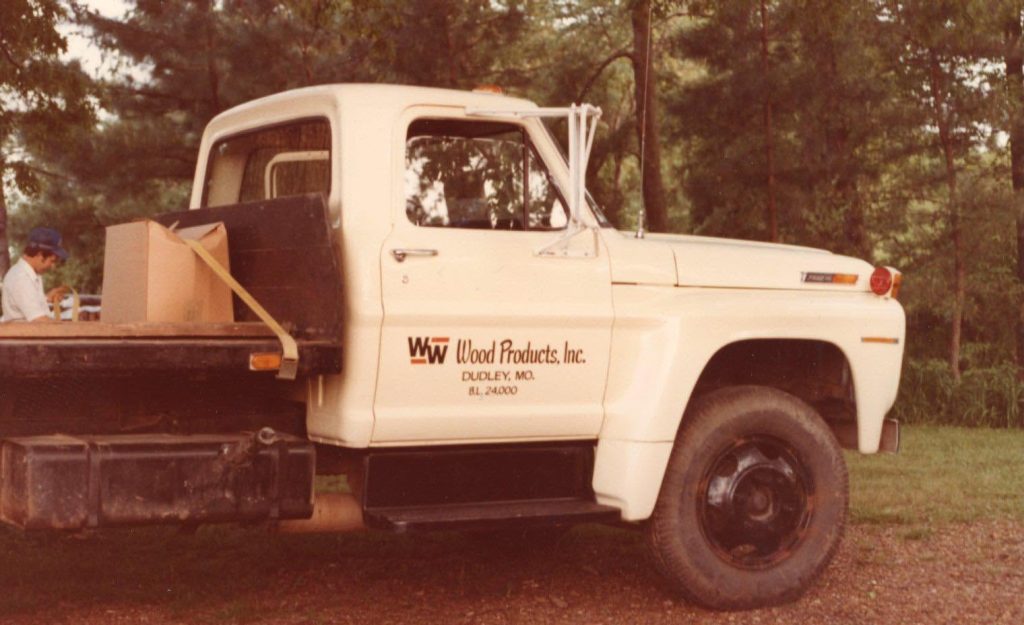
1. It All Started with Woodworking
The W.W. Wood Products story began in 1977, when founder Ron Wunderlich purchased a sawmill operation. With a background in cost accounting and a passion for woodworking, he laid the foundation for what would become a growing cabinet manufacturer.
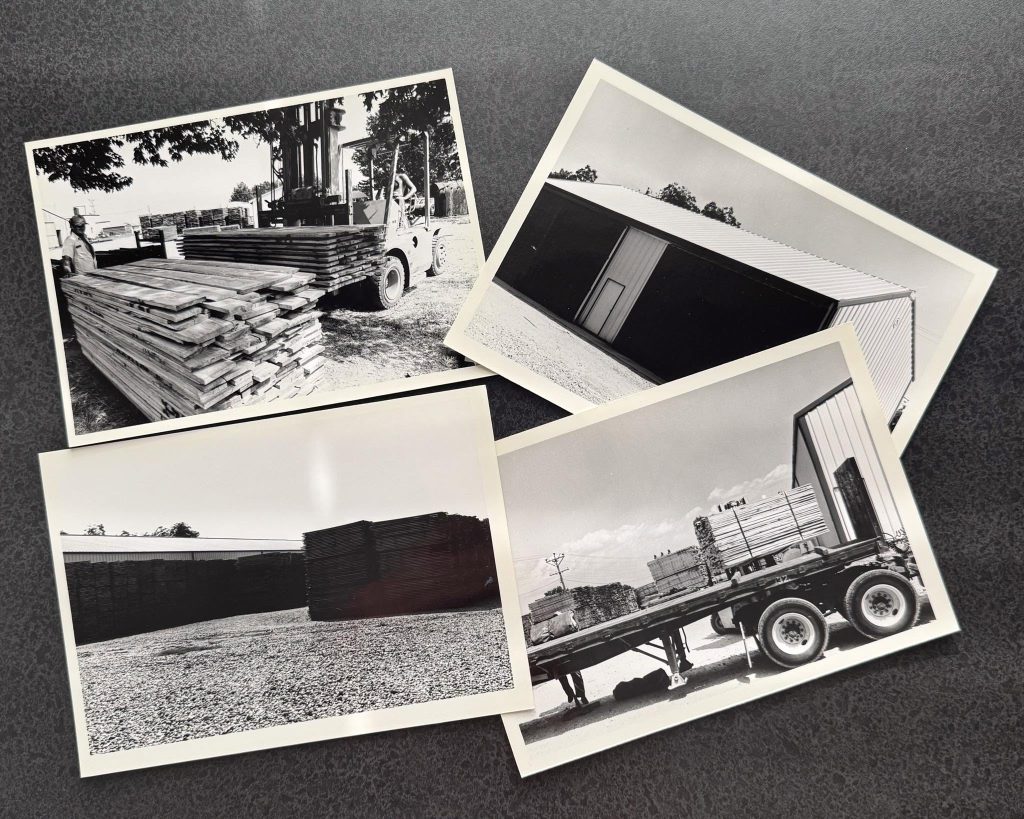
The company expanded its capabilities over the following years, adding dry kilns between 1979 and 1985 to process and prepare lumber. This early investment in working with wood helped establish the foundation for the company’s next chapter.
2. From Lumber to Cabinet Doors
In 1986, W.W. Wood Products expanded into cabinet door production, supplying cabinet shops throughout the Midwest. This was an important step in the company’s evolution, bringing its woodworking experience into a new area of cabinetry.
Just one year later, in 1987, the company began manufacturing cabinets. What started as a sawmill operation had developed into a business with the ability to produce both cabinet doors and complete cabinetry.
3. Growing with Demand
As demand increased, W.W. Wood Products continued expanding its workforce and manufacturing capabilities. By 1991, the company had grown to 120 employees and was producing approximately 1,200 cabinets per year.
The company continued to evolve, introducing new cabinetry offerings and investing in additional facilities. In 1997, it launched Sequoia Cabinetry, now known as Aspect Cabinetry, broadening its product lineup to serve customers looking for different levels of design options and affordability.
This growth reflects a central part of the company’s history: building on its woodworking foundation while adapting to changing customer needs.
4. Bringing Technology into the Process
Craftsmanship and technology can work together to support precision and consistency. W.W. Wood Products has continued investing in manufacturing equipment and capabilities as its operations have grown.
In 2004, the company introduced automated finishing techniques, including drying ovens. According to its company history, this equipment helped improve finish consistency and durability while shortening production cycle times.
These investments represent an important part of modern cabinet manufacturing. Technology can support repeatable processes and production efficiency while experienced employees contribute the knowledge and attention needed to make those processes work effectively.
5. Advancing Cabinet Component Production
In 2019, W.W. Wood Products expanded its manufacturing operations with a 480,000-square-foot panel plant. The facility introduced advanced CNC and automated cutting technology to support the production of cabinet components and parts.
CNC technology uses computer-controlled equipment to carry out cutting operations with precision. In cabinet manufacturing, this type of equipment can help produce components to specified dimensions and support consistency across production runs.
The panel plant represented a significant investment in the company’s ability to manufacture components at scale and support the needs of its growing cabinetry business.
6. Expanding Finishing, Assembly, and Shipping Capabilities
In 2025, W.W. Wood Products announced another major manufacturing investment: a 700,000-square-foot facility dedicated to finishing, assembly, quality control, and shipping for Eclipse Cabinetry.
This expansion was designed to support increased production and anticipated market demand for the Eclipse line.
The investment also highlights how cabinetry manufacturing involves more than cutting and assembling individual components. Finishing, quality control, and shipping are important parts of preparing cabinets for the next stage of their journey to retailers and, ultimately, customers.
7. Quality Comes Before Production
One of the defining principles at W.W. Wood Products is its stated commitment to three priorities: safety, quality, and production—in that order.
The company emphasizes that employee safety comes first, followed by a focus on the quality of the products leaving its facilities. Production performance matters, but it is not intended to come at the expense of those first two priorities.
This approach reflects the importance of balancing efficiency with the standards and processes needed to support a reliable finished product.
8. Multiple Cabinet Brands, Different Design Possibilities
W.W. Wood Products brings its manufacturing experience to a portfolio of cabinetry brands, each designed to serve different project needs.
- Shiloh Cabinetry: A versatile, semi-custom offering with a wide range of styles, finishes, and configurations.
- Eclipse Cabinetry: Frameless, full-access cabinetry designed for a sleek, modern look and efficient use of interior space.
- Aspect Cabinetry: An approachable option for projects that balance design and budget.
- Nevara Cabinets: A streamlined selection focused on popular styles and efficient ordering.
- Intenzi: Cabinet doors sold directly online to help homeowners update existing cabinetry without replacing every cabinet.
Together, these brands demonstrate how one manufacturer’s experience can support a variety of styles, budgets, and approaches to updating or designing a space.
9. Looking Ahead While Building on Experience
From a sawmill in 1977 to a growing network of manufacturing facilities, W.W. Wood Products has continued to build on its original woodworking foundation.
Its history includes new product lines, specialized production facilities, automated finishing, CNC technology, and significant investments in manufacturing space. Each milestone reflects the company’s ongoing effort to adapt its capabilities as the cabinetry industry evolves.
The goal remains rooted in the same essential combination: people, process, and craft working together to produce cabinetry designed for everyday life.
The Story Behind Every Cabinet
A finished cabinet represents more than a single step in manufacturing. It reflects the materials, equipment, people, and decisions that contribute to its production.
At W.W. Wood Products, decades of experience and continued investment in manufacturing technology have shaped the company into the cabinetry producer it is today. From its beginnings as a sawmill to its current portfolio of cabinet brands, the company’s story is one of growth built on craftsmanship and a commitment to quality.